


Special Lamp
Machines & Processing
Design
Smart Home
Samrt Light Source
Special Lamp
Machines & Processing
Design
Smart Home
Samrt Light Source
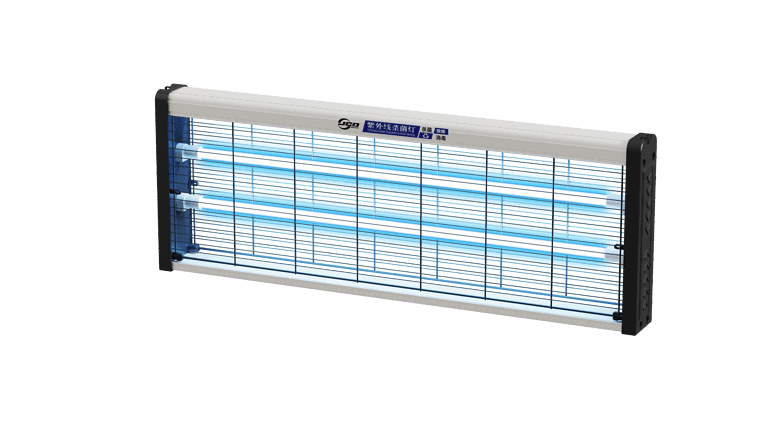
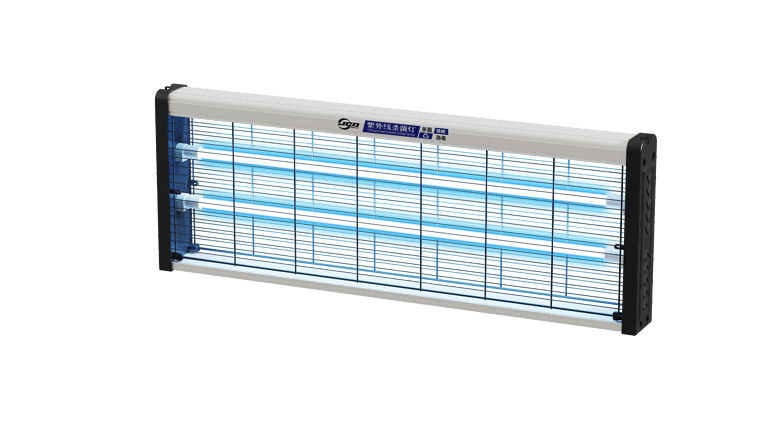
UV sterilization lamps are devices that use ultraviolet light (UV-C band) to kill bacteria, viruses and other microorganisms. Ultraviolet rays can destroy the DNA or RNA structure of microorganisms, causing them to lose their reproductive ability, thereby achieving the effect of bactericidal and disinfection. The following are the main features and applications of UV sterilization lamps:
**Working principle** UV sterilization lamps directly destroy the genetic material (DNA or RNA) of microorganisms by emitting ultraviolet rays in the UV-C band, making it unable to replicate and survive. This sterilization method is physical disinfection, no chemical agents are required, and no residues are left.
**Main uses** 1. **Air disinfection**: Used to purify air in hospitals, laboratories, schools, offices and other places, killing bacteria and viruses in the air. 2. **Surface disinfection**: Sterilize the surface of objects (such as desktops, medical devices, tableware, etc.). 3. **Water treatment**: Used for sterilization and disinfection in drinking water, swimming pool water, and sewage treatment. 4. **Family use**: Used to disinfect spaces such as kitchens, bathrooms, and bedrooms to reduce the spread of bacteria and viruses.
**Properties** - **High-efficient bactericidal**: It has a killing effect on most bacteria, viruses, fungi and spores. - **No chemical residue**: Pure physical disinfection and no harmful chemicals are produced. - **Rapid Disinfection**: Disinfection is usually done in minutes. - **Wide application scope**: Can be used for disinfection of air, water and object surfaces.


 沪公网安备 31010402000543号